![[Pink] SilkSilky-AU Short Sleeve Lapel Collar Women's Pyjamas 001](http://au.silksilky.com/cdn/shop/files/426a790aef5e5102b9474741449ba854.jpg?v=1790652053&width=1200)
![[Pink] SilkSilky-AU Short Sleeve Lapel Collar Women's Pyjamas 002](http://au.silksilky.com/cdn/shop/files/8eb915dd2005281c3eb0e262298188ee.jpg?v=1790652053&width=1200)
![[Light Pink] SilkSilky-AU Sleep Cap 001](http://au.silksilky.com/cdn/shop/files/1536474303.jpg?v=1786095477&width=1200)
![[Light Pink] SilkSilky-AU Sleep Cap 002](http://au.silksilky.com/cdn/shop/files/1340702865.jpg?v=1786095477&width=1200)

![[White] SilkSilky-AU Pillowcase 001](http://au.silksilky.com/cdn/shop/files/374412fbffe716687bd60039f8832541_45789aaa-211d-421c-80ee-30ba82f12c85.jpg?v=1759059160&width=1200)
![[White] SilkSilky-AU Pillowcase 002](http://au.silksilky.com/cdn/shop/files/29df5c1c617c418097c58f5e6ba14c65_2cb0e4b3-6566-4253-bdb0-a1d1d55f2ae4.jpg?v=1759059163&width=1200)
![[Tuscany] SilkSilky-AU Spaghetti Strap V Neck Camisole 001](http://au.silksilky.com/cdn/shop/files/1774937744.jpg?v=1791518632&width=2000)
![[Tuscany] SilkSilky-AU Spaghetti Strap V Neck Camisole 002](http://au.silksilky.com/cdn/shop/files/2060002259.jpg?v=1791518632&width=2000)
![[Tan] SilkSilky-AU Long Sleeve Stand Collar Women's Blouse 001](http://au.silksilky.com/cdn/shop/files/22ae2a70813f5633019337a85d8f7de9.jpg?v=1791451261&width=1500)
![[Tan] SilkSilky-AU Long Sleeve Stand Collar Women's Blouse 002](http://au.silksilky.com/cdn/shop/files/4bb96813c702bf8b9e51fc0fdd51a6a3.jpg?v=1791451261&width=1500)
From Silkworm Cocoon to Silk Fabric: How the Process Works
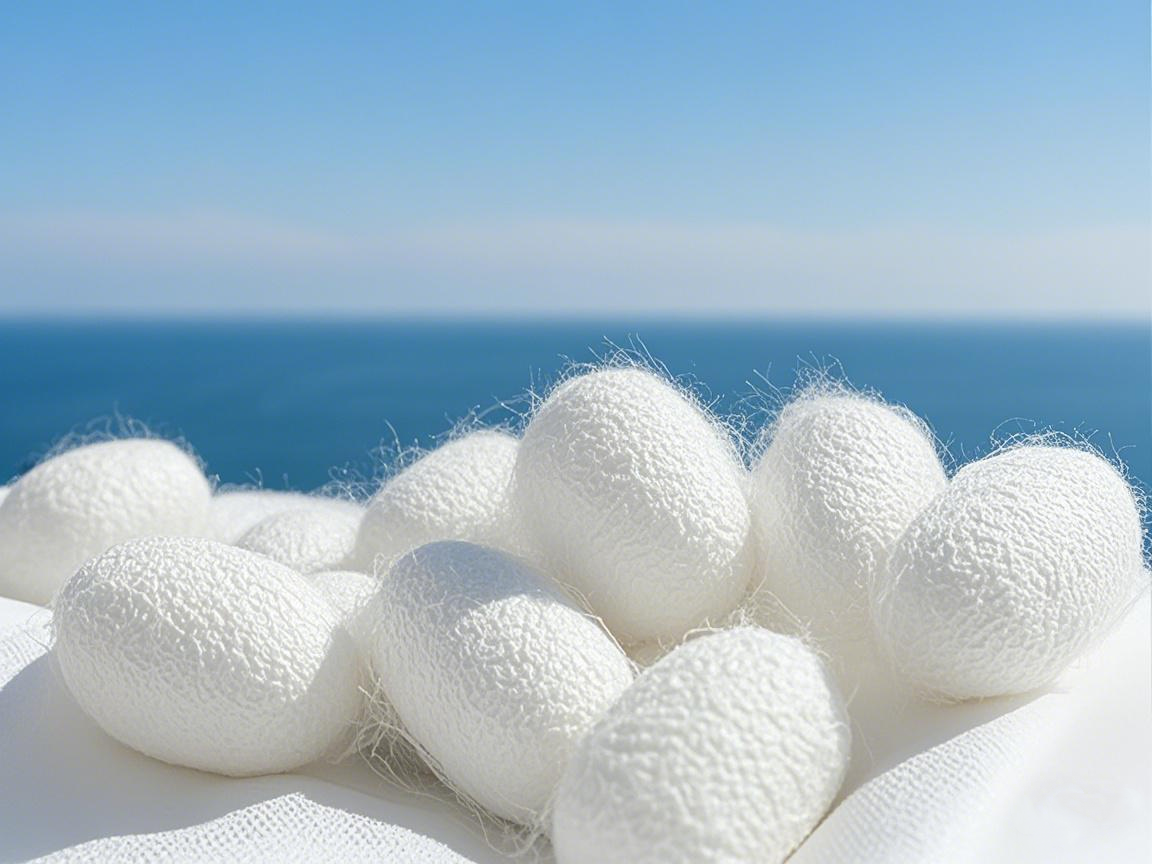
Silk fabric begins as a fine filament spun by a silkworm to form a protective cocoon. Turning that cocoon into a wearable or washable textile takes several stages, from raising the larvae to preparing and weaving the thread.
The details vary by silk type and producer. The outline below describes the common cultivated mulberry silk process, rather than every method used to make silk.
What a silk cocoon contains
The domesticated silkworm, Bombyx mori, produces a filament made mainly from fibroin, with sericin binding the filament layers together. As the larva spins, it wraps the filament around itself to build a cocoon.
A cocoon is not already a sheet of fabric. Its filament must be collected and prepared as yarn, and yarn must then be woven or knitted. The final feel depends on the fibre, yarn, weave, weight and finishing.
Raising silkworms
Sericulture is the practice of rearing silkworms. In cultivated mulberry silk production, larvae are commonly raised on mulberry leaves and monitored through several growth stages before they begin spinning.

Once a larva is ready, it creates a cocoon over a short period. Temperature, hygiene and handling matter to consistent production, although practices differ between farms and regions.
Collecting cocoons and reeling filament
After the cocoons are formed, producers sort them and prepare them for reeling. In conventional reeling, heat and water soften the sericin so the filament can be unwound. Several filaments are brought together to form a usable raw-silk strand.
Not every silk is reeled in the same way. Some processes use shorter fibres or different extraction methods, so the yarn may have a different texture and appearance.
Cleaning, twisting and making yarn
Raw silk can retain sericin. Degumming removes some or most of it, changing the handle and lustre of the material. The amount removed depends on the intended textile and finishing process.
Filaments may be twisted or combined to create yarns with different strength and character. The yarn is then prepared for weaving or knitting, which determines how the fabric drapes and how closely its threads intersect.
From yarn to finished fabric
Weavers interlace yarns to make fabrics such as charmeuse, crepe and habotai. Knitted silk has a different stretch and feel from woven silk. Dyeing and finishing add colour and may influence softness, sheen and care needs.

A silk blouse, scarf and sheet can therefore feel quite different even when each uses silk. Their construction is chosen for the intended use, not simply for a single universal definition of quality.
How to read a silk product label
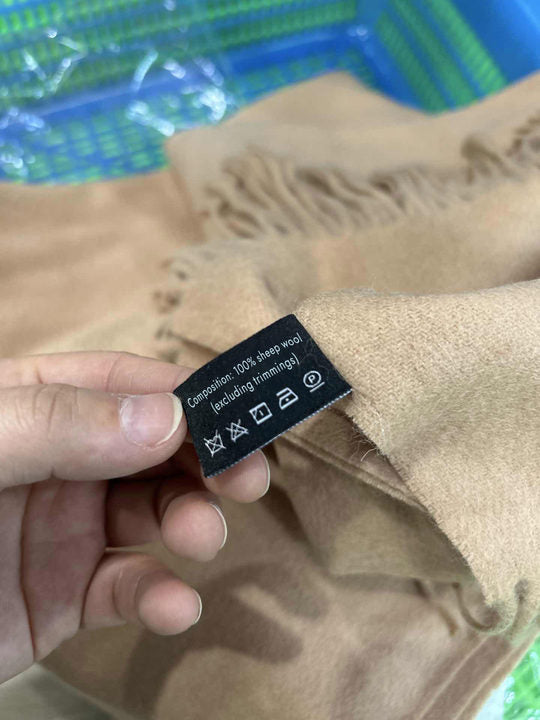
Check the fibre composition first. “Satin” describes a weave and does not by itself mean silk; satin may be made from silk, polyester or a blend. Look for a clear fibre percentage and product-specific care instructions.
For bedding, compare the fabric weight and fitted depth. For clothing, check the weave, lining and seams. A grade label alone cannot tell you how a finished item will drape or how it should be washed.
Explore silk sheets, browse silk sleepwear, and review the AU silk care guide to see how product use affects fabric choices.
Production choices and responsible questions
Silk production methods can differ in how cocoons are collected and processed. If animal welfare or sourcing is important to you, ask a brand for a specific explanation of its practices rather than assuming a label or marketing phrase answers the question.
Environmental impact also depends on more than the raw fibre. Farming, processing, dyeing, transport, product lifespan and care all contribute to a textile’s overall footprint.
FAQs
Is all silk made from mulberry silkworms?
No. Mulberry silk is a common cultivated type, but other silks come from different species and may have distinct colours, textures and production methods.
Is satin the same as silk?
No. Satin describes a weave. Read the fibre label to find out whether a satin fabric is silk, synthetic or a blend.
Does cocoon-to-fabric processing affect care?
The finished weave, dye, lining and construction all matter. Follow the care label for the actual item instead of relying on a general rule for raw silk.
Related Posts

How to Wash Silk Pyjamas: A Gentle At-Home Guide

Silk Underwear Benefits for Skin: Why Switch to Silk?

Silk vs Satin Bonnet for Hair Health: Which Is Truly Better?
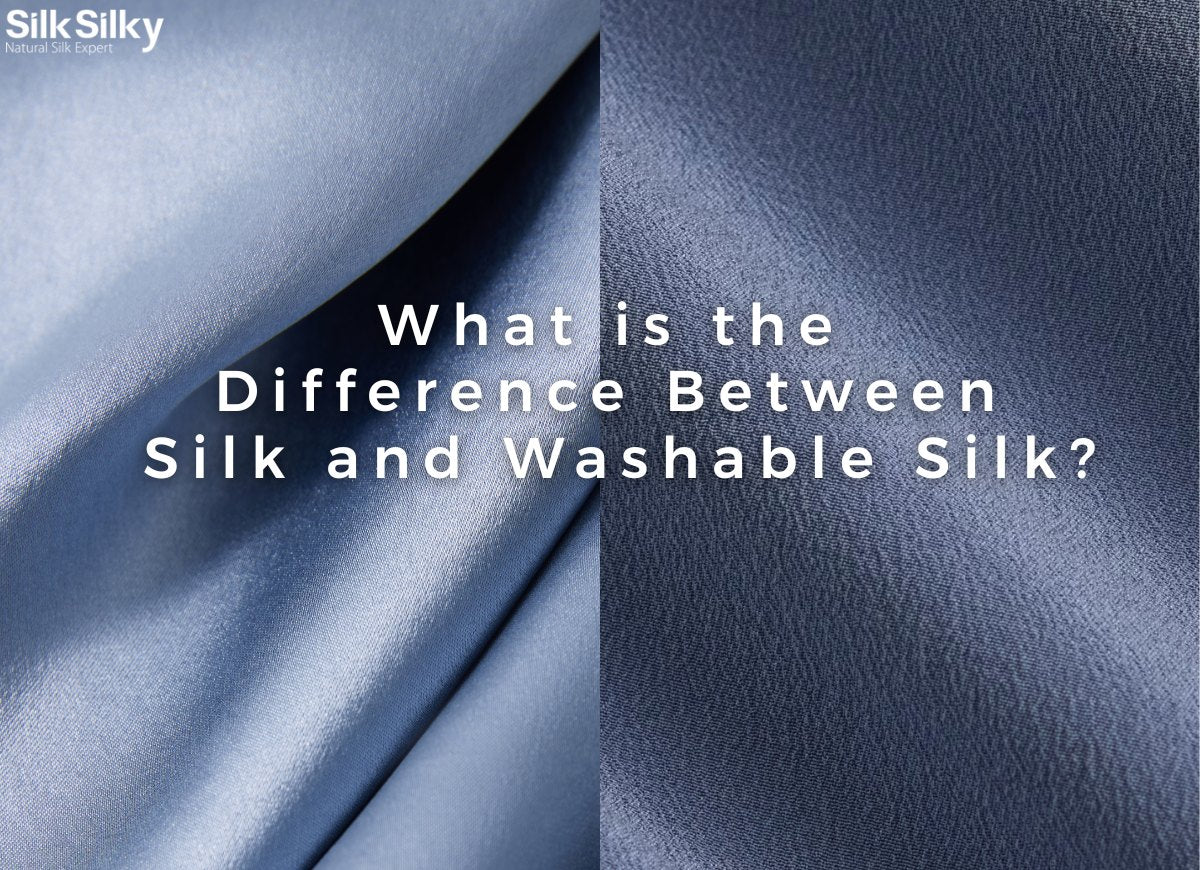
Unveiling the Truth: Silk vs. Washable Silk 一 What's the Real Difference?