
![[Pink] SilkSilky-AU Short Sleeve Lapel Collar Women's Pyjamas 001](http://au.silksilky.com/cdn/shop/files/426a790aef5e5102b9474741449ba854.jpg?v=1790652053&width=1200)
![[Pink] SilkSilky-AU Short Sleeve Lapel Collar Women's Pyjamas 002](http://au.silksilky.com/cdn/shop/files/8eb915dd2005281c3eb0e262298188ee.jpg?v=1790652053&width=1200)
![[Light Pink] SilkSilky-AU Sleep Cap 001](http://au.silksilky.com/cdn/shop/files/1536474303.jpg?v=1786095477&width=1200)
![[Light Pink] SilkSilky-AU Sleep Cap 002](http://au.silksilky.com/cdn/shop/files/1340702865.jpg?v=1786095477&width=1200)

![[White] SilkSilky-AU Pillowcase 001](http://au.silksilky.com/cdn/shop/files/374412fbffe716687bd60039f8832541_45789aaa-211d-421c-80ee-30ba82f12c85.jpg?v=1759059160&width=1200)
![[White] SilkSilky-AU Pillowcase 002](http://au.silksilky.com/cdn/shop/files/29df5c1c617c418097c58f5e6ba14c65_2cb0e4b3-6566-4253-bdb0-a1d1d55f2ae4.jpg?v=1759059163&width=1200)
![[Tuscany] SilkSilky-AU Spaghetti Strap V Neck Camisole 001](http://au.silksilky.com/cdn/shop/files/1774937744.jpg?v=1791518632&width=2000)
![[Tuscany] SilkSilky-AU Spaghetti Strap V Neck Camisole 002](http://au.silksilky.com/cdn/shop/files/2060002259.jpg?v=1791518632&width=2000)
![[Tan] SilkSilky-AU Long Sleeve Stand Collar Women's Blouse 001](http://au.silksilky.com/cdn/shop/files/22ae2a70813f5633019337a85d8f7de9.jpg?v=1791451261&width=1500)
![[Tan] SilkSilky-AU Long Sleeve Stand Collar Women's Blouse 002](http://au.silksilky.com/cdn/shop/files/4bb96813c702bf8b9e51fc0fdd51a6a3.jpg?v=1791451261&width=1500)
Silk vs. Satin Bonnet Showdown: Why Silk Reigns Supreme for Hair Health
When it comes to preserving the health and moisture of your hair, the battle between silk and satin bonnets is a hot topic among hair enthusiasts. While both options offer benefits for protecting your locks while you sleep, silk bonnets have emerged as the superior choice for maintaining hair moisture. In this article, we'll delve into the silk vs. satin bonnet debate and uncover five compelling reasons why silk bonnets are the preferred option for keeping your hair luxuriously hydrated and healthy.
- Superior Moisture Retention
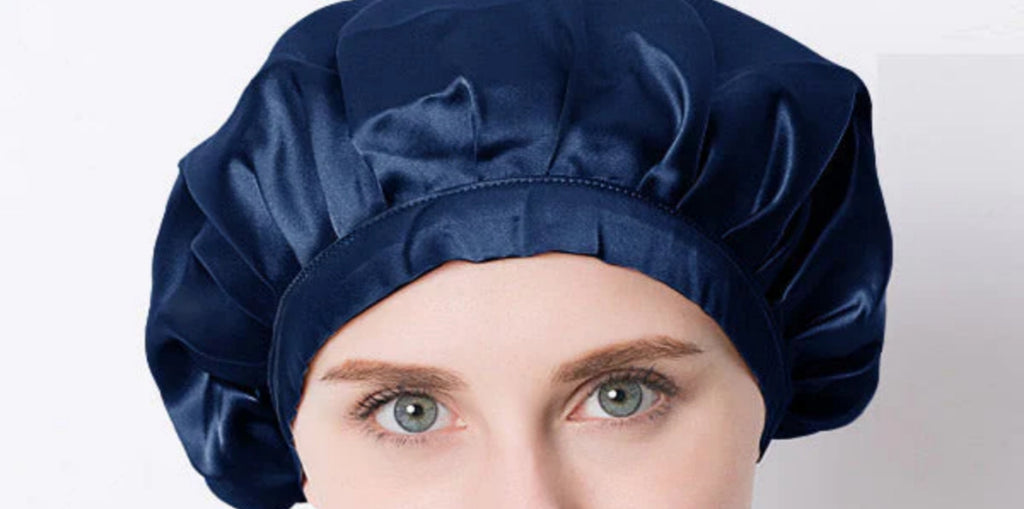
Silk sleeping caps are renowned for their moisture-retaining properties. Unlike satin, which is often made from synthetic materials, silk is a natural protein fiber that possesses the remarkable ability to absorb and retain moisture. When you wear a silk turban, it helps to lock in your hair's natural oils and prevent them from evaporating into the dry air. This keeps your hair hydrated and free from dryness, split ends, and frizz, resulting in smoother, more manageable locks.
- Reduced Friction and Tangling
One of the key advantages of silk over satin is its ultra-smooth surface. Silk has a finer texture compared to satin, which can be coarser. This smoothness significantly reduces friction between your hair strands and the bonnet, preventing tangling and breakage. Silk's gentle touch helps maintain the integrity of your hair while you sleep, allowing you to wake up with hair that's less prone to knots and tangles.
- Temperature Regulation
Silk is a natural temperature regulator, which means it helps keep your hair at an optimal temperature while you sleep. It can effectively insulate your hair from extreme cold or heat, ensuring that your hair remains in a healthy and balanced environment. This temperature control not only prevents moisture loss but also minimizes the risk of overheating, which can lead to dry, brittle hair.
- Hypoallergenic and Gentle on Hair
Silk is inherently hypoallergenic and gentle on both your skin and hair. It's a natural protein that doesn't contain any irritating chemicals. Unlike some satin bonnets, which may be made from synthetic or low-quality materials, silk bonnets are unlikely to cause skin irritation or allergic reactions. Additionally, silk's soft and smooth texture is less abrasive on your hair, making it an excellent choice for preventing hair damage and maintaining its overall health.
- Long-Lasting and Durable
Investing in a high-quality silk bonnet is a wise choice for the long run. Silk is renowned for its durability and resilience, meaning your silk bonnet will withstand the test of time, providing consistent protection for your hair. Unlike satin bonnets that may wear out or lose their effectiveness over time, a silk bonnet can remain effective and luxurious for years, making it a cost-effective choice in the long term.
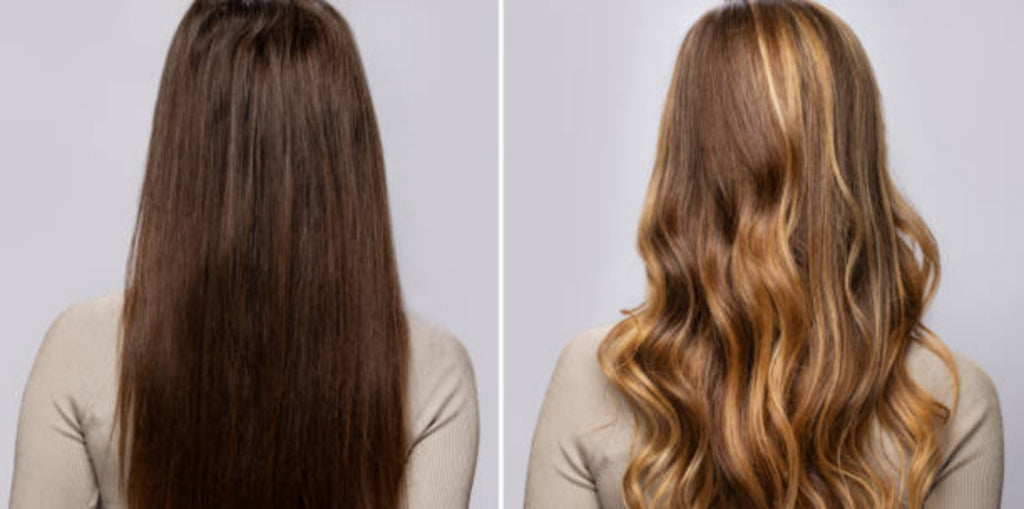
While satin bonnets have their merits, the superiority of silk bonnets for maintaining hair moisture and overall health is clear. With its exceptional moisture retention, reduced friction, temperature-regulating properties, hypoallergenic nature, and long-lasting durability, silk bonnets are the preferred choice for those who want to wake up to hydrated, smooth, and manageable hair. So, if you're on a quest for hair that's luxuriously moisturized and healthy, it's time to embrace the benefits of a silk bonnet for your nighttime hair care routine. Your locks will thank you for it!
Silk Slip Dress 5 Stylish Ways to Elevate Your Fashion Game
The Rising Trend: Why Perm Hairstyles Are Gaining Popularity - Top Reason
Related Posts

Silk Outfits for Warm Weather: Breathable Styling Guide

Best Summer Pyjamas: Cooling Fabrics for Hot Australian Nights

Types of Silk Fabric Comparison: The Ultimate Buying Guide

Real Silk Clothing Try-On Review: Fit, Feel & Style Guide

From Silkworm Cocoon to Silk Fabric: How the Process Works

How to Wash Silk Pyjamas: A Gentle At-Home Guide

Silk Underwear Benefits for Skin: Why Switch to Silk?
